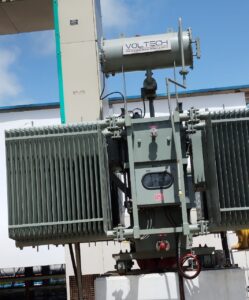
Introduction
Power transformers play a critical role in electrical power systems. Internal faults can cause serious damage if not detected early. Engineers rely on reliable protection devices like the Buchholz relay.
The Buchholz relay provides early fault detection in oil-filled transformers. It helps prevent major failures, reduces downtime, and protects expensive equipment. In this guide, you will learn how it works, what it detects, and why it remains essential in modern power systems.
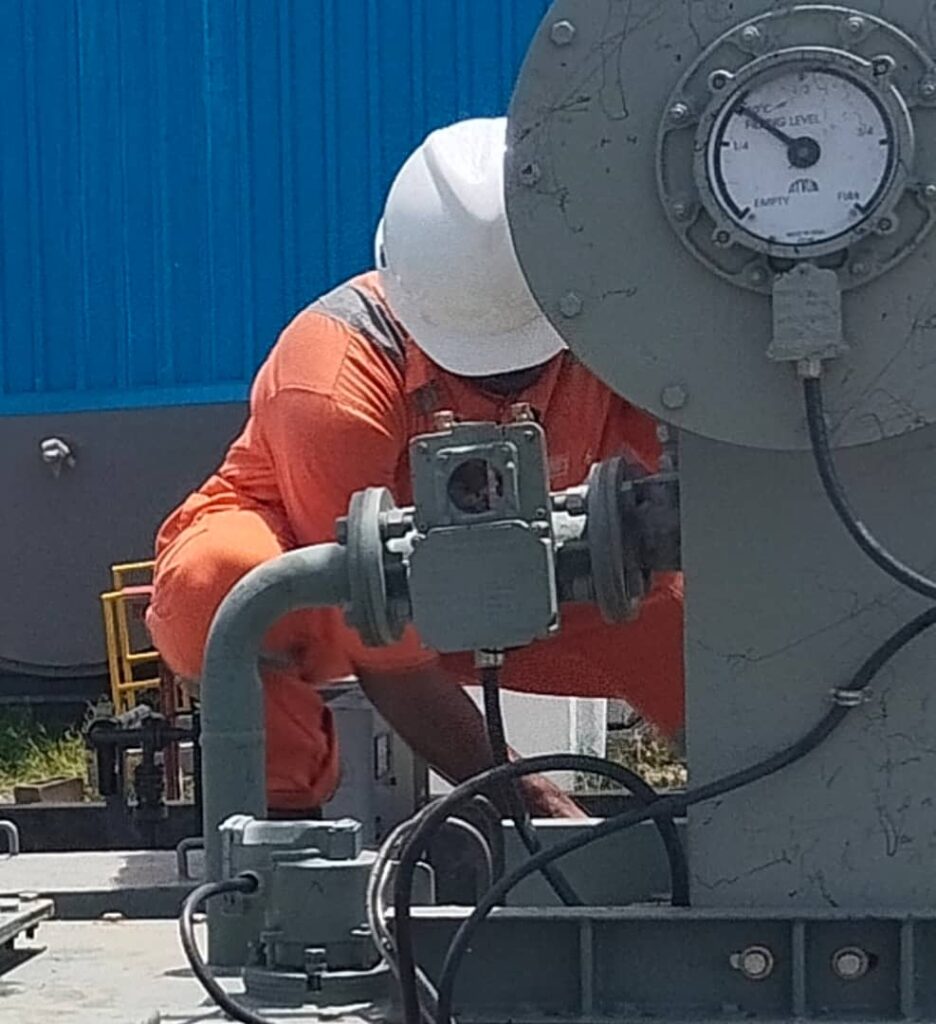
What is a Buchholz Relay?
A Buchholz relay is a safety device used in oil-filled transformers. It detects problems inside the transformer by sensing gas or oil movement. When a fault occurs, gas formed moves fast. The relay notices this and responds quickly.
Construction of Buchholz Relay
The Buchholz relay is installed in the pipe between the transformer tank and the conservator. It consists of several important components that work together.
Float Mechanism
The float detects slow gas accumulation. As gas builds up, the oil level drops. The float moves downward and activates the alarm.
Switch Mechanism
The relay uses a mercury or reed switch; when the float moves, the switch closes the circuit. It then sends an alarm or trip signal.
Flap Valve (Vane)
The flap responds to sudden oil flow. When a serious fault occurs oil flows rapidly. Therefore, the flap deflects and triggers the trip mechanism.
Gas Collection Chamber
This chamber stores gas generated during faults, allowing engineers to analyze it later and determine the type of fault.
Working Principle of Buchholz Relay
The Buchholz relay operates under two main conditions. Each condition corresponds to a different type of fault.
Slow Developing Faults (Alarm Condition)
Let’s look at small problems like insulation wearing out or the core getting hot. These issues happen slowly and create gas over time. As gas builds up:
- The oil level drops
- The float moves downward
- The alarm circuit activates
Severe Internal Faults (Trip Condition)
On the other hand, major faults occur suddenly. Examples include winding short circuits and earth faults.
In this case
- Oil flows rapidly toward the conservator
- The flap valve deflects instantly
- The trip circuit activates
As a result, the circuit breaker disconnects the transformer immediately. This action prevents further damage.
Faults Detected by Buchholz Relay
The Buchholz relay focuses on internal transformer faults. These include:
- Inter-turn faults
- Winding insulation failure
- Core heating issues
- Earth faults within the transformer
Additionally, it can indicate oil-related problems in some cases.
Advantages of Buchholz Relay
The Buchholz relay offers several benefits:
- It detects faults at an early stage
- Responds quickly to severe faults
- Operates without an external power supply
- Allows gas analysis for fault diagnosis
- It has a simple and reliable design
Limitations of Buchholz Relay
- Works only with oil-filled transformers
- Cannot detect external faults
- Not suitable for sealed or dry-type transformers
- Requires proper installation and maintenance
Maintenance and Testing
These routine checks should performed:
- Inspect for gas accumulation
- Test alarm and trip circuits
- Check oil levels
- Perform functional tests
Practical Applications
The Buchholz relay is widely used in power systems. You will find it in:
- Power generation plants
- Transmission substations
- Industrial facilities
Typically, engineers install it in transformers above 500 kVA. At this level, internal fault protection becomes essential.
Conclusion
The Buchholz relay is a reliable protection device for oil-filled transformers. It senses small and large faults by detecting gas buildup and oil movement.
Most importantly, it provides early warning and fast tripping. As a result, it protects transformers from serious damage and ensures reliable operation.
For any power system engineer, understanding the Buchholz relay is not optional it is essential.

nice