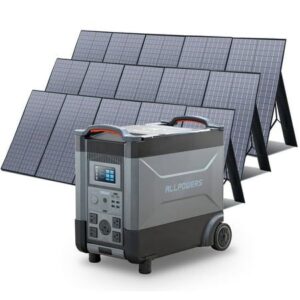
What to know when buying a Solar powered Generator
As the world shifts towards renewable energy, solar powered generators have become a popular choice for those seeking a clean, portable power source. Whether you’re preparing for emergencies, planning outdoor adventures, or looking to reduce your carbon footprint, a solar powered generator can be a versatile and eco-friendly solution. However, buying the right solar generator requires some careful consideration. Here’s what you need to know before making your purchase.
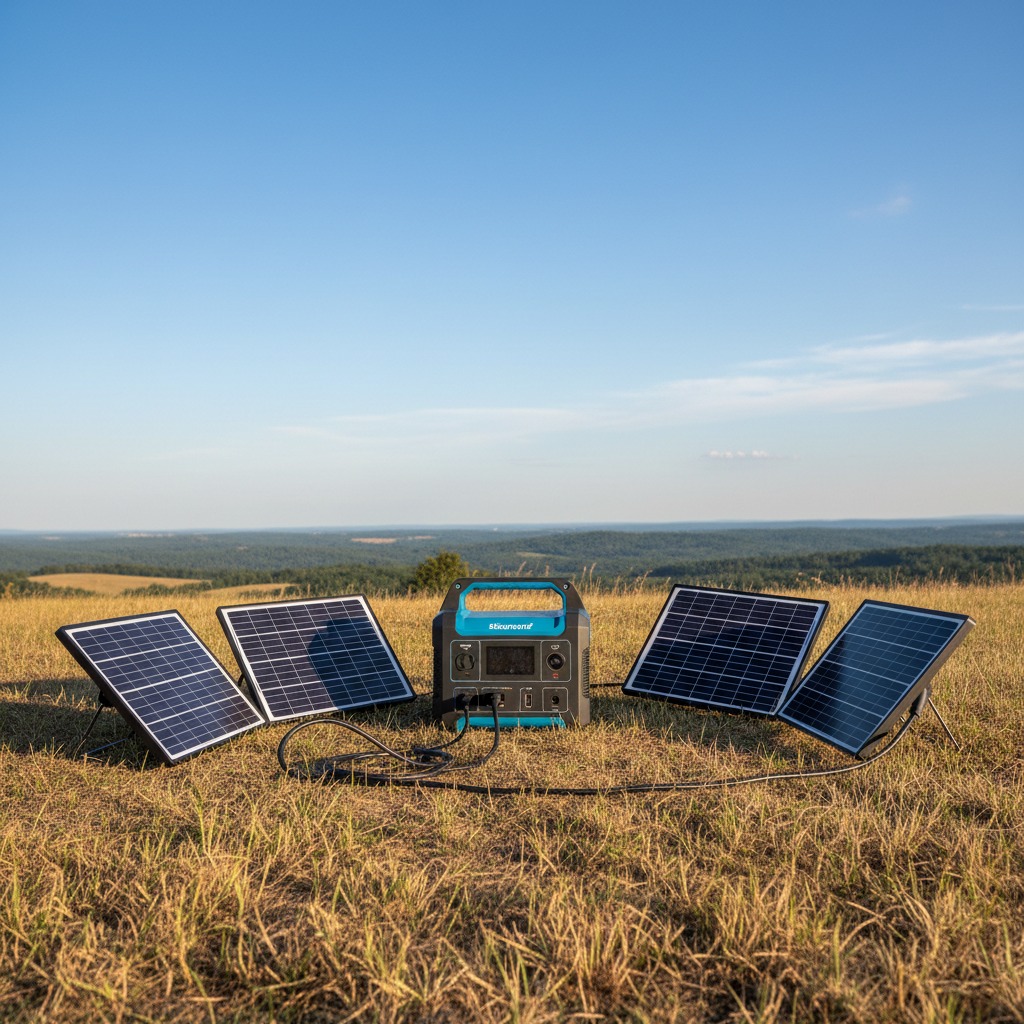
Understand Your Power Needs
Before selecting a solar powered generator, assess your energy requirements. Make a list of the devices you want to power and calculate their total wattage. Consider:
- Starting wattage vs. running wattage: Some appliances require a higher power surge when starting up.
- Duration: How long you need the generator to run on a full charge.
- Frequency of use: Daily, occasional, or emergency use.
Knowing your power needs helps you choose a generator with the appropriate capacity.
Battery Capacity and Type for your solar powered generator
The battery is the heart of your solar generator. Key points to consider:
- Capacity: Measured in watt-hours (Wh), it indicates how much energy the battery can store. Higher capacity means longer runtime.
- Battery type: Lithium-ion batteries are common due to their long life, lightweight, and efficiency, while lead-acid batteries are heavier and less durable.
- Cycle life: The number of charge-discharge cycles the battery can handle before capacity significantly drops.
Select a battery that balances capacity, weight, and longevity based on your needs.
Solar powered generator and panel compatibility
Check the solar generator’s compatibility with solar panels:
- Included panels: Some generators come with panels, while others require separate purchases.
- Input wattage: Higher input wattage allows faster charging.
- Charging options: Besides solar, many generators support AC wall outlets and car chargers for versatility.
Keep in mind that charging times can vary greatly depending on solar panel wattage and sunlight conditions.
Portability and Weight
If you plan to use your solar generator for camping, hiking, or mobile work, portability is crucial:
- Size and weight: Look for lightweight models with handles or wheels.
- Design: Compact designs are easier to carry and store.
For stationary backup power, size may be less critical.
Solar powered generator Output ports and Power Type
Different devices require different types of power output:
- AC outlets: For household appliances.
- DC ports: For car chargers and some electronics.
- USB ports: For smartphones, tablets, and small gadgets.
Ensure the generator has enough ports and the right types to support your devices simultaneously.
Durability and Weather resistance
Since solar powered generators are often used outdoors, durability matters:
- Build quality: Look for robust materials and quality craftsmanship.
- Weather resistance: Some models offer water and dust resistance ratings, essential for outdoor use.
A durable generator can withstand rough conditions and last longer.
Price and Warranty
Solar powered generators come in a range of prices:
- Budget models: Affordable but may have limited capacity and features.
- Premium models: Higher capacity, better build quality, and more features.
Consider your budget but also the value the generator provides. Check for warranties and customer support to ensure peace of mind.
Conclusion
Buying a solar generator involves balancing your power needs, portability, budget, and durability. By understanding the key factors—battery capacity, charging options, output ports, and build quality—you can find a solar generator that fits your lifestyle and energy goals. Investing in the right solar generator not only provides reliable, clean power but also contributes to a sustainable future.
look at solar powered generators products like EcoFlow
